A tragic incident at a Texas A&M University off-campus apartment complex has left a community in mourning and raised serious questions about the thoroughness of an ongoing investigation. Brianna Aguilera, a 19-year-old freshman and member of the university’s cheerleading squad, suffered a fatal fall from the 17th floor of a high-rise building in Austin early on December 1, 2025. What began as a routine night out with friends has spiraled into a case drawing national attention, fueled by accounts from nearby residents and sharp criticism from the victim’s family.
The circumstances surrounding Aguilera’s death remain under scrutiny by Austin police, who initially classified the event as a possible self-inflicted incident. However, new details emerging from witnesses and legal representatives suggest a more complex narrative, prompting calls for a deeper probe. Aguilera’s mother, Stephanie Rodriguez, has publicly expressed her disbelief in the preliminary findings, emphasizing her daughter’s positive outlook and aspirations for a career in law.
This story unfolds against the backdrop of Texas A&M’s vibrant campus life, where Aguilera was thriving as a first-year student majoring in political science. Known for her infectious energy and dedication to the Aggie cheer squad, she had quickly become a beloved figure among peers. Friends described her as someone who lit up rooms with her smile and motivated others during long practice sessions. Her involvement in cheerleading wasn’t just extracurricular; it was a passion that connected her to the tight-knit Aggie spirit, a tradition deeply ingrained in the university’s culture.
Texas A&M University, located in College Station but with many students commuting to Austin for urban opportunities, boasts one of the largest student bodies in the nation, exceeding 70,000 undergraduates and graduates. The cheerleading program, part of the storied Fightin’ Texas Aggie spirit, demands rigorous training and fosters lifelong bonds. Aguilera, hailing from a supportive family in nearby Houston, had earned her spot on the squad through sheer determination, balancing academics with high-energy performances at football games and other events. Her social media profiles, filled with photos from pep rallies and study sessions, painted a picture of youthful ambition and joy.
The evening of November 30 began like many for college students navigating the balance between studies and social life. Aguilera joined a group of friends for what was described as a casual gathering at a downtown Austin apartment building, a modern high-rise popular among young professionals and students alike. The location, situated in a bustling neighborhood known for its nightlife, offered panoramic views of the city skyline but also presented the inherent risks of high-altitude living. Reports indicate that the group had been out earlier, enjoying a night of light socializing that extended into the early morning hours of December 1.
According to statements from Aguilera’s family attorney, Tony Buzbee—a prominent Houston-based lawyer with a track record in high-profile cases—several residents in the vicinity reported unusual sounds around 12:30 a.m. One neighbor, living down the street from the apartment, recalled hearing raised voices and what sounded like a plea for assistance. “It was clear something wasn’t right,” Buzbee relayed during a press conference on December 5. Another individual, residing across the hallway from the gathering spot, mentioned hearing footsteps and additional commotion that disrupted the night’s quiet.
These accounts, shared publicly for the first time on Friday, have added layers to the timeline pieced together by authorities. Austin Police Department spokespeople have acknowledged receiving tips from building residents but noted that initial interviews focused on those directly connected to Aguilera. The department maintains that the investigation is active and that all leads are being pursued, though specifics remain limited to protect the integrity of the process.
Central to the family’s concerns is a document discovered on Aguilera’s phone, which law enforcement initially interpreted as indicative of personal distress. Buzbee clarified that this was not a farewell message but rather a creative writing assignment completed four days prior to the incident. The piece, deleted shortly after submission as part of routine phone maintenance, explored themes common in academic exercises—emotional introspection and narrative storytelling. “It’s baffling how such a misunderstanding could shape an entire conclusion,” Buzbee stated, urging officials to reexamine the evidence with fresh eyes.

Rodriguez, speaking with raw emotion at the same press conference, painted a vivid portrait of her daughter as far from despondent. “Brianna was excited about her future,” she said. “She talked endlessly about law school, about making a difference, about the adventures ahead with her squad.” Far from withdrawn, Aguilera had been actively planning holiday visits home and coordinating with teammates for upcoming routines. Rodriguez’s plea to investigators—”Please, just do the job thoroughly”—resonated with attendees, many of whom held signs reading “Seek the Truth” and “Remember Brianna.”
The attorney’s involvement underscores the gravity of the situation. Buzbee, who has represented clients in matters ranging from civil rights to complex litigation, brings a wealth of experience to the table. His firm has already engaged independent experts to review available footage from the building’s security systems and timelines from participants in the evening’s events. While police have not released surveillance details, preliminary reports suggest the cameras captured arrivals and departures but may have gaps during the critical window.
As the story gains traction, it highlights broader issues facing college campuses nationwide. Student safety, particularly in off-campus housing, has come under renewed focus in recent years. Organizations like the Clery Center for Security on Campus advocate for better coordination between universities and local law enforcement to address risks associated with alcohol consumption and group settings. In Texas alone, incidents involving young adults in urban environments have prompted legislative discussions on mandatory safety protocols for high-rises.
Texas A&M’s administration responded swiftly to the news, issuing a statement of condolence on December 2. “Our hearts ache for Brianna’s family, friends, and the entire Aggie community,” read the message from university president Dr. Katherine C. Reynolds. The school activated its counseling services, offering grief support sessions and peer-led discussions for cheerleaders and other affected students. A memorial fund in Aguilera’s name was established, aimed at supporting aspiring female athletes from underrepresented backgrounds—mirroring her own journey as a first-generation college student.
Peers have shared heartfelt tributes online, flooding social media with memories of Aguilera’s kindness and resilience. One teammate posted a video montage of her flips and cheers, captioned, “You made us all better. We’ll carry your spirit forward.” Another friend recalled a late-night study group where Aguilera’s humor turned frustration into laughter, emphasizing her role as a natural encourager. These anecdotes humanize the loss, transforming statistics into a story of untapped potential.
Investigative experts weigh in on the challenges of such cases. Dr. Elena Vasquez, a forensic psychologist specializing in adolescent mental health, notes that misinterpretations of personal writings are not uncommon. “Creative outlets like essays or journals often delve into dark themes for artistic purposes, not as cries for help,” she explained in a recent interview. Vasquez advocates for multidisciplinary teams in investigations, combining law enforcement with mental health professionals to avoid premature judgments.
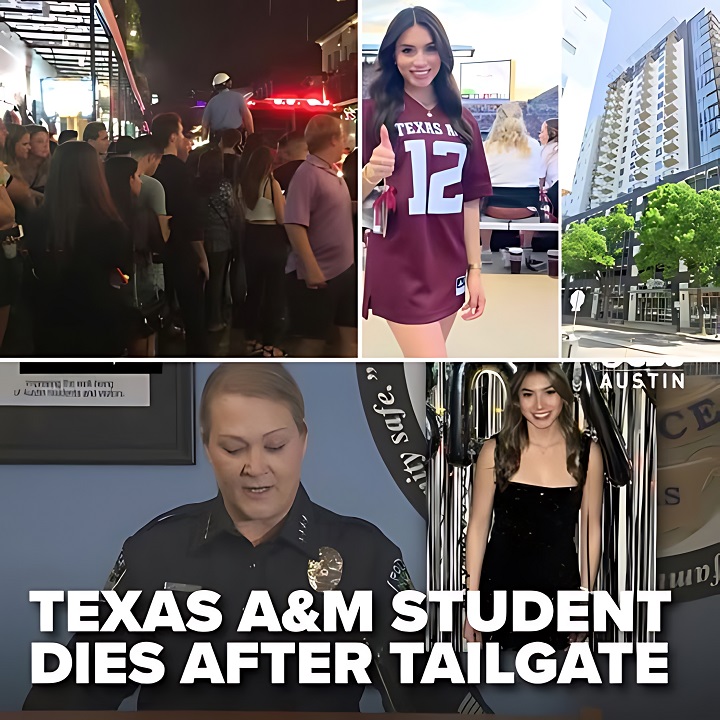
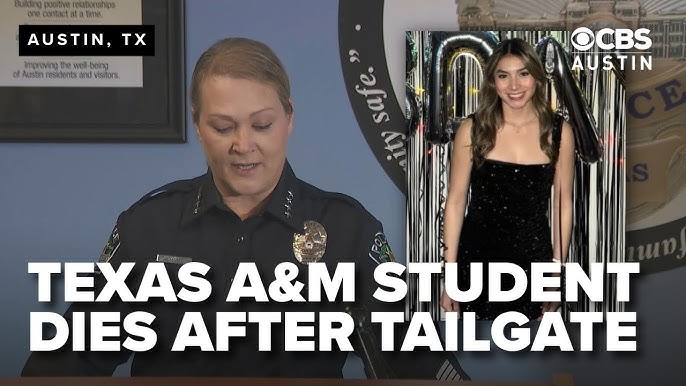
On the legal front, Buzbee has hinted at potential civil actions if negligence is uncovered, though his primary focus remains on ensuring a fair criminal inquiry. Austin’s police chief, Rebecca Landry, addressed the media on December 5, affirming commitment to transparency. “We take every report seriously and are working around the clock,” Landry said. The department has since reached out to the additional witnesses mentioned by Buzbee, scheduling formal statements for the coming days.
The apartment complex itself, a sleek 20-story development completed in 2023, caters to the growing influx of Austin’s tech-savvy youth. Amenities include rooftop lounges and fitness centers, but the incident has sparked debates on balcony safety features. Building management issued a statement expressing sorrow and cooperating fully with authorities, including providing access to resident logs and maintenance records.
As days turn into weeks, the Aguilera family’s resolve remains unbroken. Rodriguez has organized a vigil for December 8 at the Texas A&M campus, inviting the community to light candles in remembrance. “Brianna deserved better than rushed assumptions,” she told reporters. “She deserves justice.” Supporters, from fellow Aggies to national advocacy groups, have rallied online under hashtags like #TruthForBrianna, amplifying calls for accountability.
This case also prompts reflection on the pressures of college life. For many 19-year-olds, the transition to independence brings exhilaration alongside unforeseen vulnerabilities. Aguilera’s story serves as a poignant reminder of the need for open dialogues about well-being, fostering environments where students feel safe seeking support. Universities like Texas A&M have expanded resources in response to similar tragedies, including 24/7 hotlines and proactive wellness checks.
In the broader landscape of American higher education, incidents like this underscore disparities in investigative resources. Urban campuses, with their dense populations, often strain local police capacities. A 2024 report by the National Institute of Justice highlighted that only 60% of student-related deaths receive comprehensive follow-ups, citing budget constraints and jurisdictional overlaps. Advocates argue for federal guidelines to standardize protocols, ensuring no case falls through the cracks.
Friends of Aguilera have begun compiling a scrapbook of her impact, featuring notes from coaches who praised her leadership and professors who noted her sharp analytical mind. One instructor recalled her insightful paper on constitutional law, a topic that fueled her dreams of advocacy. These fragments paint a legacy of promise, one that her family hopes will inspire systemic change.
As the medical examiner’s office prepares its final report—expected within the next two weeks—the city holds its breath. Preliminary autopsies confirmed the cause of death as injuries sustained from the fall, but the manner remains undetermined pending further analysis. Toxicology results, which could clarify the role of alcohol or other factors, are also forthcoming.
Buzbee’s press conference drew a crowd of local journalists and concerned citizens, signaling the story’s potential to resonate far beyond Austin. Network affiliates have picked up segments, interviewing former clients of the attorney who credit his tenacity with uncovering overlooked truths. For Rodriguez, the platform offers solace amid grief, a chance to honor her daughter’s memory by challenging the status quo.
In quiet moments, Rodriguez treasures mementos—a worn cheer pom-pom, a framed photo from Aguilera’s high school graduation. “She was my light,” she confides. These personal touches ground the narrative in humanity, reminding all involved of the life interrupted.
The cheer squad, meanwhile, presses on with subdued practices, dedicating routines to their lost member. Coaches have incorporated moments of silence, weaving Aguilera’s favorite chants into warm-ups. This resilience embodies the Aggie motto: “From the outside looking in, you can’t understand it. From the inside looking out, you can’t explain it.” It’s a bond that now carries an extra layer of purpose.
Legal scholars observe that cases involving young adults often hinge on digital footprints. Aguilera’s phone, now in forensic custody, holds texts, photos, and apps that could illuminate the final hours. Experts like Buzbee stress the importance of context—isolated snippets rarely tell the full story. As data is sifted, patterns may emerge, potentially corroborating witness recollections or revealing overlooked interactions.
Community leaders in Austin, a city synonymous with innovation and growth, are mobilizing. The Austin Young Professionals Network plans a forum on student safety, inviting policymakers to discuss enhancements like emergency response apps tailored for high-rises. Such initiatives could prevent future heartache, turning tragedy into tangible progress.
For now, the focus remains on Aguilera—the student, the cheerleader, the daughter whose laughter echoed through stadiums and dorms. Her story challenges assumptions, urging a commitment to diligence in the face of doubt. As Rodriguez often repeats, “Truth isn’t always immediate, but it’s always worth pursuing.”
In the weeks ahead, updates from the investigation will likely shape public discourse. Families like the Aguilera-Rodriguezes deserve closure, and communities like Texas A&M merit assurance that their students are protected. Until then, the echoes of that fateful night linger, a call to listen more closely to the voices seeking help.
This developing story will be updated as new information becomes available. Readers are encouraged to support mental health resources, such as the National Suicide Prevention Lifeline at 988, and to advocate for thorough inquiries in sensitive cases.