Drooling during sleep is a common experience and, in most cases, completely harmless. It often occurs when the body and brain are deeply relaxed, allowing saliva to escape from the mouth more easily. While occasional drooling is considered normal, frequent or excessive drooling may sometimes be linked to underlying health or sleep-related factors that deserve attention.
Understanding why drooling happens at night can help you determine whether it is simply a normal part of sleep—or a sign that something else may be affecting your rest or overall health.
1. Deep Sleep and Muscle Relaxation
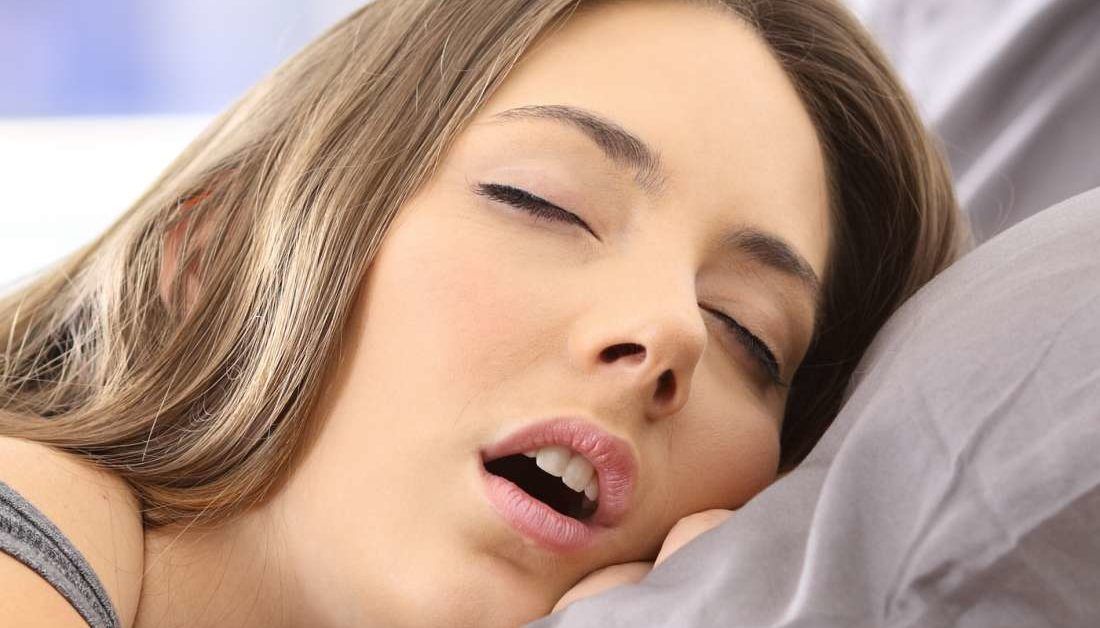
One of the most common explanations for drooling during sleep is deep relaxation. During certain sleep stages, especially deep non-REM sleep, the muscles throughout the body relax significantly. This includes the muscles that control the jaw, lips, and swallowing reflex.
When swallowing becomes less frequent, saliva can collect in the mouth. If the mouth opens slightly, saliva may leak out instead of being swallowed naturally. In this context, mild drooling can actually indicate that the body has entered a restorative phase of sleep, which is important for physical and mental recovery.
2. Sleep Position and Gravity
Sleep position plays a major role in whether drooling occurs. Gravity affects the movement of saliva, and certain positions make it easier for saliva to escape the mouth.
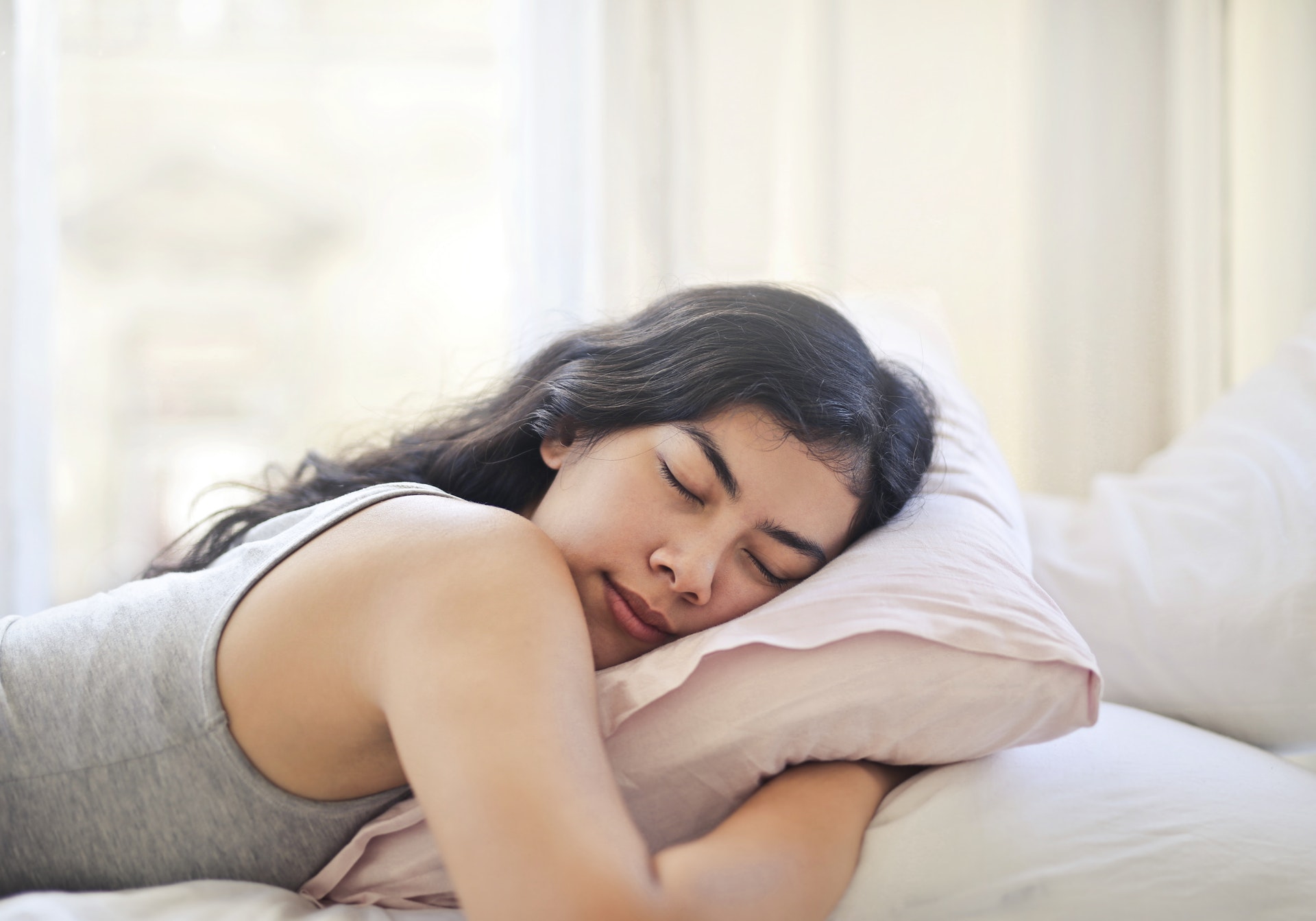
People who sleep on their side or stomach are more likely to drool because saliva naturally moves downward toward the pillow. Those who sleep on their backs may experience less drooling, as saliva tends to stay in the mouth and be swallowed more easily.
While sleeping on the back may reduce drooling for some people, it is not always suitable for everyone, especially individuals who snore heavily or have sleep apnea.
3. Nasal Congestion and Mouth Breathing
Nasal congestion is another common contributor to nighttime drooling. Conditions such as colds, seasonal allergies, sinus infections, or structural issues like a deviated septum can make nasal breathing difficult.
When nasal airflow is restricted, the body compensates by breathing through the mouth. Sleeping with the mouth open increases the likelihood of saliva escaping, particularly during deep sleep. Chronic mouth breathing may also lead to dry mouth, sore throat, and disrupted sleep quality.
Addressing nasal congestion can often reduce drooling and improve overall sleep comfort.
4. Saliva Production and Digestive Factors
Some people naturally produce more saliva than others. In addition, certain medications—including those prescribed for allergies, anxiety, depression, or neurological conditions—can increase saliva production as a side effect.
Digestive conditions such as acid reflux or gastroesophageal reflux disease (GERD) may also contribute. In some cases, reflux can stimulate increased saliva production as the body attempts to neutralize stomach acid. This excess saliva can make nighttime drooling more noticeable.
5. Neurological and Muscle Coordination Factors
Less commonly, persistent or excessive drooling during sleep may be related to muscle coordination or neurological function. Conditions that affect swallowing control can make it harder for saliva to be managed during sleep.
Sleep-related breathing disorders, such as obstructive sleep apnea, are sometimes associated with mouth breathing and drooling. Sleep apnea involves repeated interruptions in breathing during sleep and is often accompanied by loud snoring, gasping, or frequent awakenings.
Neurological conditions that affect muscle control may also influence swallowing efficiency. However, drooling alone is not enough to indicate a neurological issue and should always be evaluated in the context of other symptoms.
6. When Drooling May Need Medical Attention
Occasional drooling during sleep is normal and usually not a cause for concern. However, it may be worth consulting a healthcare professional if drooling is:
-
Frequent or excessive
-
A new or sudden change
-
Accompanied by difficulty swallowing
-
Linked with loud snoring or breathing interruptions
-
Associated with daytime fatigue or poor sleep quality
A medical evaluation can help identify whether conditions such as sleep apnea, chronic sinus problems, or digestive issues are contributing factors.
How to Reduce Drooling While Sleeping
If drooling is causing discomfort or affecting sleep quality, several practical steps may help reduce it:
Adjust Your Sleep Position
Sleeping on your back may help saliva remain in the mouth and be swallowed naturally. Using pillows to support proper alignment can improve comfort.
Improve Nasal Breathing
Managing nasal congestion through saline sprays, humidifiers, or allergy treatments may reduce mouth breathing at night.
Stay Well Hydrated
Adequate hydration helps maintain normal saliva consistency, making it easier to swallow.
Review Medications
If drooling began after starting a new medication, discussing alternatives or dosage adjustments with a healthcare provider may be helpful.
Address Sleep Disorders
If symptoms such as snoring, gasping, or frequent nighttime awakenings are present, a sleep evaluation may be beneficial.

Final Thoughts
Drooling while sleeping is usually a normal result of deep relaxation, sleep position, or temporary nasal congestion. For many people, it is simply a sign that the body has entered a restful state. However, when drooling is persistent or occurs alongside other symptoms, it may point to underlying sleep, respiratory, or digestive factors.
Paying attention to patterns and associated symptoms can help determine whether simple lifestyle adjustments are enough or whether medical guidance is needed. In most cases, understanding the cause is the first step toward improving comfort and sleep quality.
