Viola Davis is widely regarded as one of the most accomplished and respected actors of her generation. Her career spans theater, film, and television, earning her recognition for performances marked by emotional depth, discipline, and authenticity. Beyond her artistic success, Davis’s life story reflects perseverance and long-term commitment to education, craft, and advocacy.
Born on August 11, 1965, in St. Matthews, South Carolina, Davis’s early life was shaped by economic hardship and social inequality. Her journey from a childhood marked by limited resources to becoming one of the most honored performers in modern entertainment has been extensively documented by reputable media organizations and academic institutions.
Early Life and Family Background
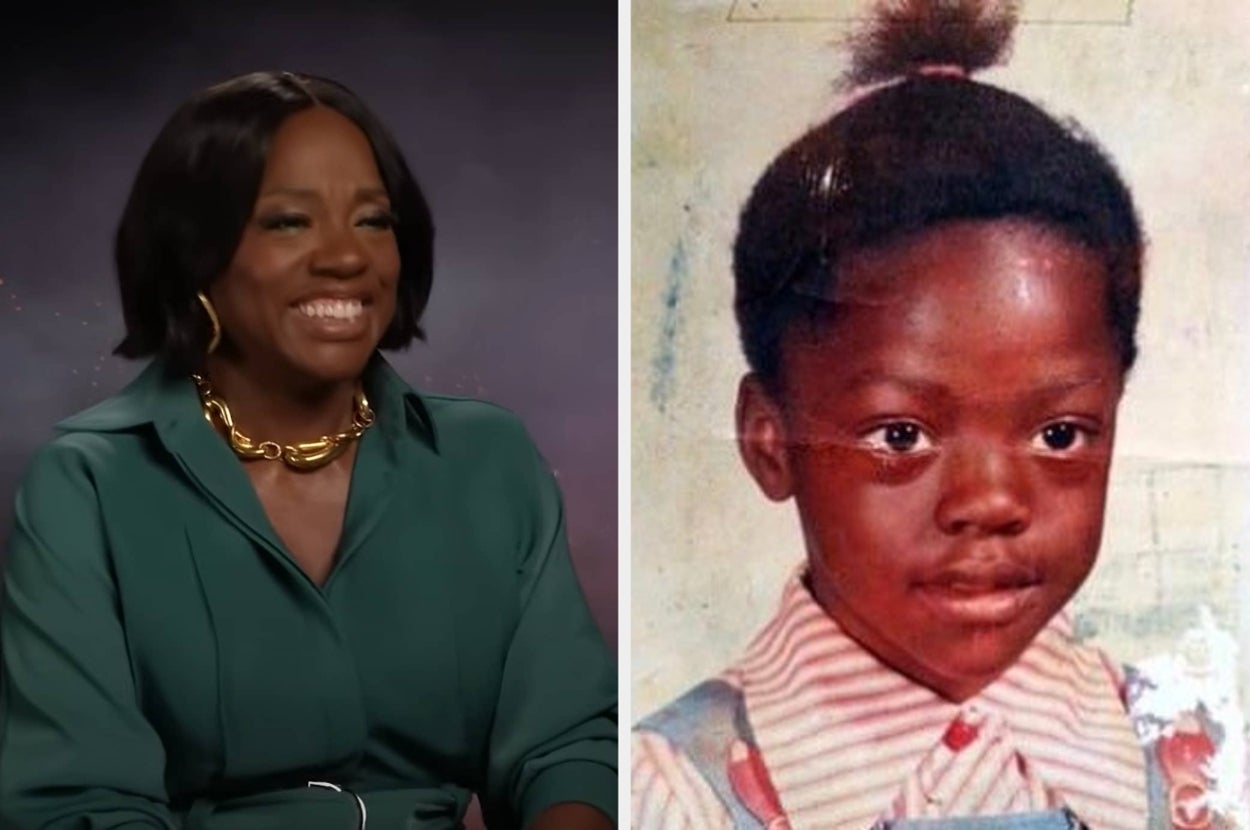
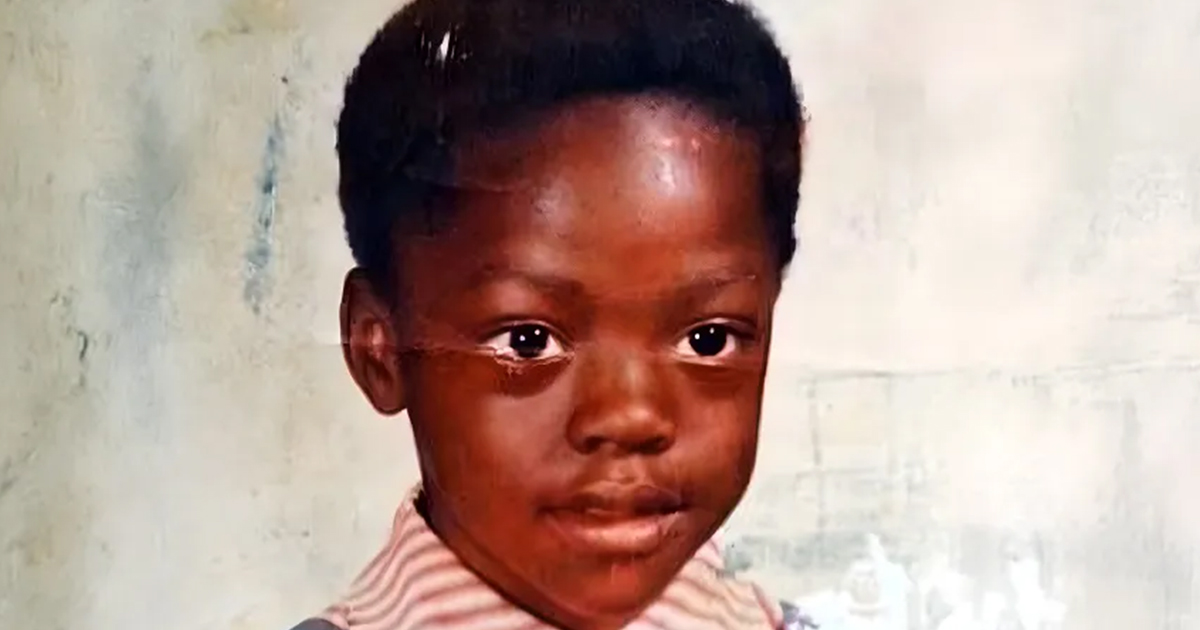
Viola Davis was born into a large family and spent part of her early childhood in rural South Carolina. Her parents later relocated the family to Central Falls, Rhode Island, in search of improved opportunities. Despite the move, the family continued to face financial challenges that affected daily life, housing conditions, and access to resources.
Her mother worked in domestic service while also participating in civil rights–era community activism, a commitment that influenced Davis’s understanding of social responsibility from a young age. Her father worked in manual labor roles, and the household experienced periods of instability common among families facing persistent economic pressure.
Growing up as one of six children, Davis learned early the importance of resilience and self-reliance. Education and school-based programs became important stabilizing forces in her life, providing structure and opportunity despite difficult circumstances at home.
Education and Early Exposure to Performance
School played a central role in Davis’s development. Academic environments offered consistency and access to extracurricular activities, including theater and performance programs. These activities became an outlet for creative expression and personal growth.
Davis participated in the Upward Bound program, a federally supported initiative designed to help students from low-income families prepare for college. Through this program, she gained exposure to higher education pathways that might otherwise have been inaccessible.
She later earned admission to Rhode Island College, where she studied theater. Her talent and dedication were recognized by faculty members, and she graduated with a strong foundation in performance studies.

Training at Juilliard
After completing her undergraduate education, Davis was accepted into the Juilliard School in New York City, one of the world’s most prestigious performing arts institutions. Admission to Juilliard is highly competitive, and her acceptance marked a significant turning point in her professional trajectory.
At Juilliard, Davis received formal classical training that refined her technique and prepared her for demanding roles on stage and screen. This period was instrumental in shaping her disciplined approach to acting and her commitment to continuous learning.
Theater Career and Early Recognition
Following her studies, Davis began building a career in theater, particularly in productions of works by acclaimed playwrights. Her performances in plays by August Wilson were especially significant, earning critical recognition and award nominations.
In 1996, she received her first Tony Award nomination for her role in Seven Guitars. Her work on stage established her reputation as a serious dramatic actor and laid the foundation for future opportunities in film and television.

Transition to Film and Television
Davis gradually expanded into film and television, gaining broader public recognition in the late 2000s. Her performance in Doubt (2008) earned her an Academy Award nomination for Best Supporting Actress, marking a major breakthrough in Hollywood.
She received another Academy Award nomination for The Help (2011), further solidifying her standing as a leading dramatic performer. These roles demonstrated her ability to bring complexity and nuance to characters in mainstream productions.
Historic Achievements and Major Awards
In 2015, Davis made history by becoming the first Black woman to win the Primetime Emmy Award for Outstanding Lead Actress in a Drama Series, for her role in How to Get Away with Murder. The achievement was widely recognized as a milestone in television history.
In 2017, she won the Academy Award for Best Supporting Actress for her performance in Fences. With this win, Davis became one of the few performers to achieve the “Triple Crown of Acting,” having won an Oscar, an Emmy, and a Tony Award.
She is among a small group of actors to have received Academy Award nominations in both leading and supporting categories, reflecting the breadth of her work across different types of roles.
Advocacy and Public Service
Drawing on her personal experiences, Davis has been involved in advocacy efforts focused on childhood hunger and poverty. She has worked with nationally recognized initiatives aimed at improving access to nutrition for children and raising awareness of food insecurity in the United States.
Her advocacy work has been supported by measurable fundraising outcomes and partnerships with established nonprofit organizations, reinforcing her commitment to using public influence responsibly.
Personal Life
Viola Davis is married to actor and producer Julius Tennon. The couple adopted their daughter, Genesis, in 2011. Davis has spoken publicly about the importance of family, stability, and long-term healing, themes that also appear in her published memoir.
In 2020, Davis purchased the house in South Carolina where she was born, a symbolic milestone that reflected both personal achievement and reflection on her life’s journey.
Legacy and Influence
Viola Davis’s career is widely studied in academic, cultural, and industry contexts. Her success has contributed to broader conversations about representation, access, and opportunity in the performing arts.
Through sustained excellence in her craft, commitment to education, and evidence-based advocacy, Davis has established a legacy that extends beyond awards. Her life and career continue to serve as a reference point for discussions about resilience, professional discipline, and the long-term impact of the arts.
