Dolores O’Riordan remains one of the most influential voices in modern music history. As the lead singer of the Irish rock band The Cranberries, she helped define the sound of 1990s alternative rock while bringing a distinctly Irish identity to global audiences. Her career combined commercial success, artistic integrity, and emotional honesty, earning her a place among the most recognized female vocalists of her era.
Behind her professional achievements, however, O’Riordan’s life was shaped by personal challenges that she later discussed openly in interviews with established media outlets. Her story reflects both remarkable creative success and the importance of awareness around mental health and personal wellbeing.
Early Life and Musical Beginnings in Ireland
Dolores Mary Eileen O’Riordan was born on September 6, 1971, in Ballybricken, County Limerick, Ireland. She was the youngest of nine children in a Roman Catholic family living in a rural community. Public biographical records and interviews confirm that her upbringing was modest, shaped by strong family ties, faith, and traditional Irish culture.
From an early age, O’Riordan showed exceptional musical ability. She learned traditional Irish songs in school and developed her voice through church music and piano lessons. Educators recognized her talent while she was still a child, and music quickly became central to her identity
Despite encouragement to pursue a more conventional career path, she remained determined to work as a singer and songwriter.
Joining The Cranberries and Early Success
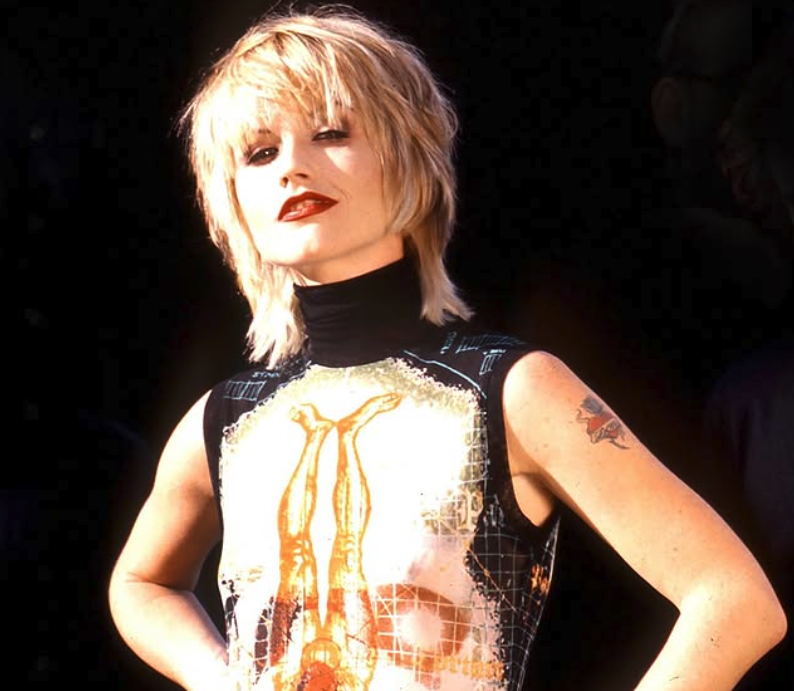
In 1990, O’Riordan joined a Limerick-based band then known as The Cranberry Saw Us. According to documented interviews with band members, her audition stood out immediately due to her vocal range, emotional delivery, and songwriting ability. The band soon changed its name to The Cranberries, with O’Riordan as its lead vocalist and primary lyricist.
The group’s debut album, Everybody Else Is Doing It, So Why Can’t We?, was released in 1993 and became an international success. Songs such as “Linger” and “Dreams” received extensive radio play and introduced audiences to O’Riordan’s distinctive voice and melodic style.
Their second album, No Need to Argue, released in 1994, further solidified their global reputation. The record included “Zombie,” a song addressing the impact of violence during the Troubles in Northern Ireland, which became one of the band’s most widely recognized works.

Global Fame and Financial Success
By the mid-1990s, The Cranberries were among the most successful rock acts in the world. Industry reports from the period confirm that the band sold tens of millions of albums worldwide, toured extensively, and appeared on major international television programs.
O’Riordan’s success translated into significant personal wealth, making her one of Ireland’s most financially successful musicians of the time. Business publications and Irish media later listed her among the country’s wealthiest women in entertainment during the late 1990s and early 2000s.
Despite this success, she frequently expressed discomfort with intense public scrutiny and the pressures of constant touring.
Personal Challenges and Advocacy for Mental Health Awareness
In interviews with reputable outlets including The Guardian, Billboard, and The Sunday Independent, O’Riordan spoke openly about living with mental health conditions, including depression and bipolar disorder. She also discussed an eating disorder she experienced earlier in her career, emphasizing how professional pressure and exhaustion contributed to her struggles.
Her willingness to address these topics publicly made her an important figure in conversations about mental health in the music industry. Health professionals have since noted that such openness from public figures can encourage greater awareness and understanding.

Family Life and Career Balance
O’Riordan married Don Burton, a music industry professional, in 1994. The couple later moved to Canada and had three children. According to multiple interviews, motherhood became a central priority for her and influenced her decisions to reduce touring and focus on family life during certain periods.
Although The Cranberries experienced a decline in commercial momentum in the late 1990s, their audience remained loyal. The band continued releasing music and eventually reunited in 2009 after a hiatus, releasing the album Roses in 2012.

Later Years and Continued Musical Work
In addition to her work with The Cranberries, O’Riordan released solo material and collaborated with other artists. While these projects received mixed commercial results, critics often praised her continued vocal strength and emotional authenticity.
She remained active in the music industry until shortly before her death, working on new material and participating in recordings with The Cranberries.

Official Findings Regarding Her Death
On January 15, 2018, Dolores O’Riordan was found unresponsive in a London hotel room. British authorities conducted a formal investigation, and a coroner’s inquest later concluded that her death was accidental, caused by drowning, with alcohol intoxication listed as a contributing factor. No evidence of intentional harm was found.
The findings were publicly released through official court proceedings and widely reported by major news organizations.
Enduring Legacy
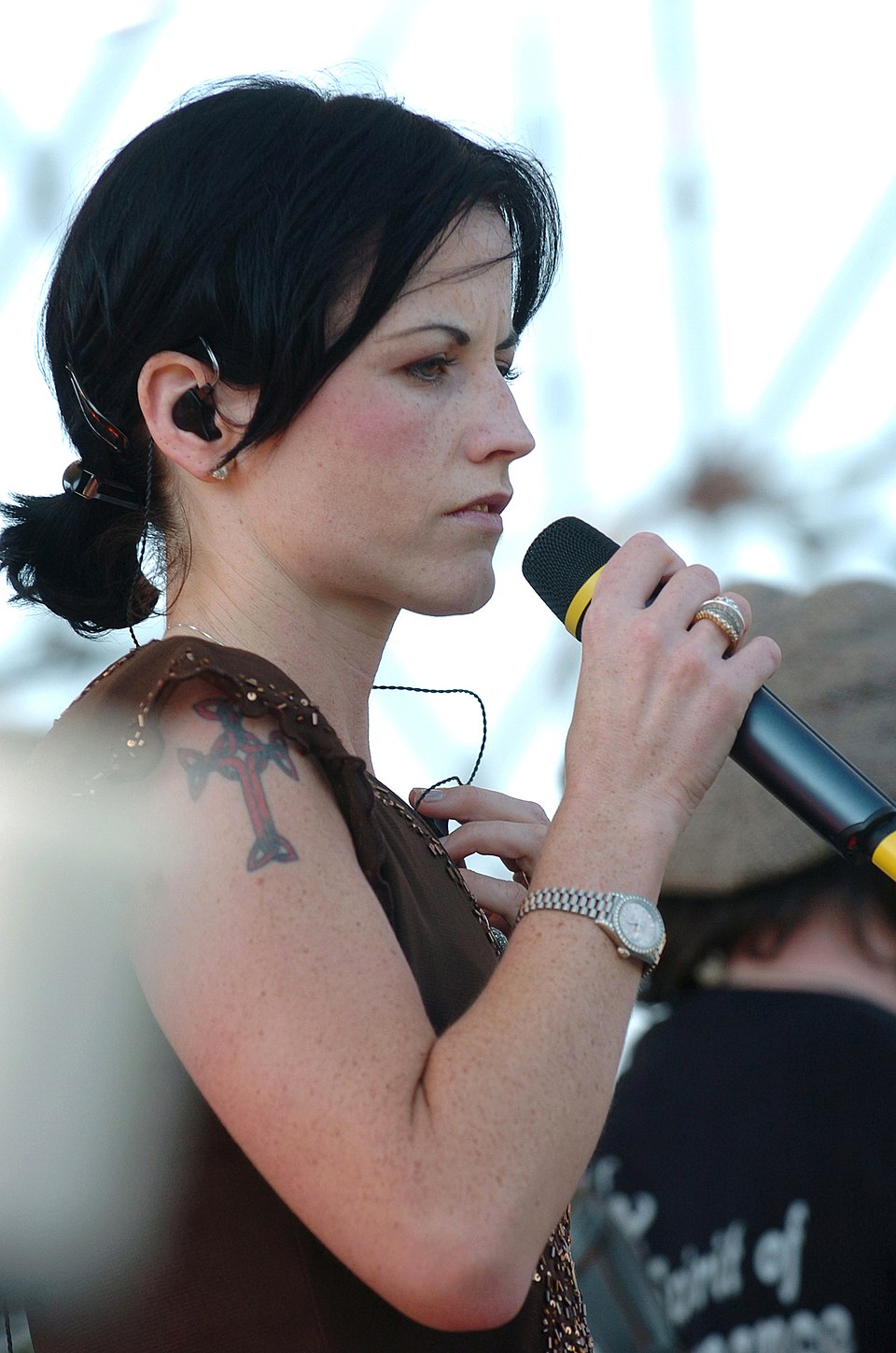
Following her death, tributes poured in from musicians, fans, and cultural figures around the world. Critics and historians consistently describe O’Riordan as a singular talent whose voice was instantly recognizable and emotionally resonant.
Her music continues to reach new audiences through streaming platforms, radio airplay, and film and television soundtracks. Songs such as “Dreams,” “Linger,” and “Zombie” remain cultural touchstones decades after their release.

Conclusion
Dolores O’Riordan’s life reflects both extraordinary artistic achievement and the complex realities faced by many performers. Her contributions to music, her influence on alternative rock, and her openness about mental health have left a lasting impact well beyond her recordings.
Remembered for her voice, her songwriting, and her honesty, O’Riordan remains an enduring figure in global music history—one whose legacy continues to inspire listeners around the world.
