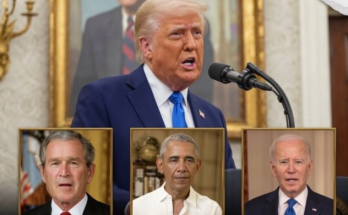
The room went silent when former President Donald Trump declared that the press was “going to change.” Not in relation to policy shifts or international conflicts, but the media itself—its operations, its coverage, and its future. Reporters in attendance stared back, some stunned, others already typing furiously. In that moment, the line between sharp criticism and perceived open retaliation appeared to snap for many in the room.
The comments have reignited long-simmering tensions between Trump and segments of the news media. Trump has repeatedly accused major outlets of bias and “fake news,” promising during his campaign and transition period to address what he views as unfair treatment.
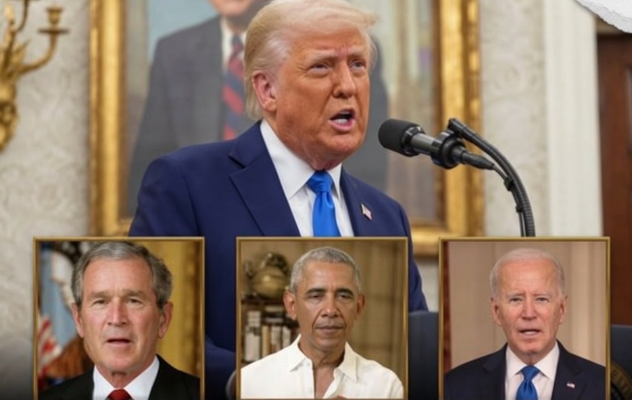
Supporters see these remarks as a overdue pushback against perceived partisanship and a call for greater accountability in journalism. Critics, however, interpret them as a warning that rules of engagement could fundamentally shift in a second Trump administration, raising alarms about potential retaliation against unfavorable coverage.
Journalists and press freedom advocates argue that a free and independent press remains essential to democracy. Its core role is to inform the public, hold power accountable, and protect citizens by shining light on government actions—functions they say are vital regardless of who occupies the White House. History offers examples from around the world of how democracies can weaken when leaders attempt to determine which stories are “allowed,” potentially undermining public trust and institutional safeguards.
In response, many in the industry are calling for a dual approach of internal rigor and external unity. First, radical clarity: news organizations should relentlessly explain to audiences why independent journalism exists, who it protects, and the risks when political power pressures the flow of information. Journalists are urged to demonstrate transparency by showing their work, tightening standards, correcting errors quickly, and standing firm against intimidation.
Second, solidarity across a traditionally competitive field. Newsrooms—local, regional, and national—are encouraged to link arms through shared statements, joint investigations, coordinated legal defenses, and a collective refusal to accept gag orders, blacklists, or “access-for-obedience” arrangements. Press freedom groups emphasize that the media must function as one ecosystem rather than isolated brands.
The unified message from advocates is straightforward: the U.S. Constitution enshrines press freedoms, and news organizations will not yield to efforts that challenge those protections.
As the political transition continues, these exchanges highlight enduring questions about the balance between presidential rhetoric, media accountability, and First Amendment principles. How both sides navigate the coming months could shape public perception of journalism and governance for years ahead.