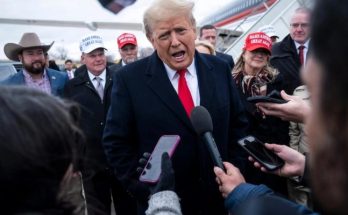
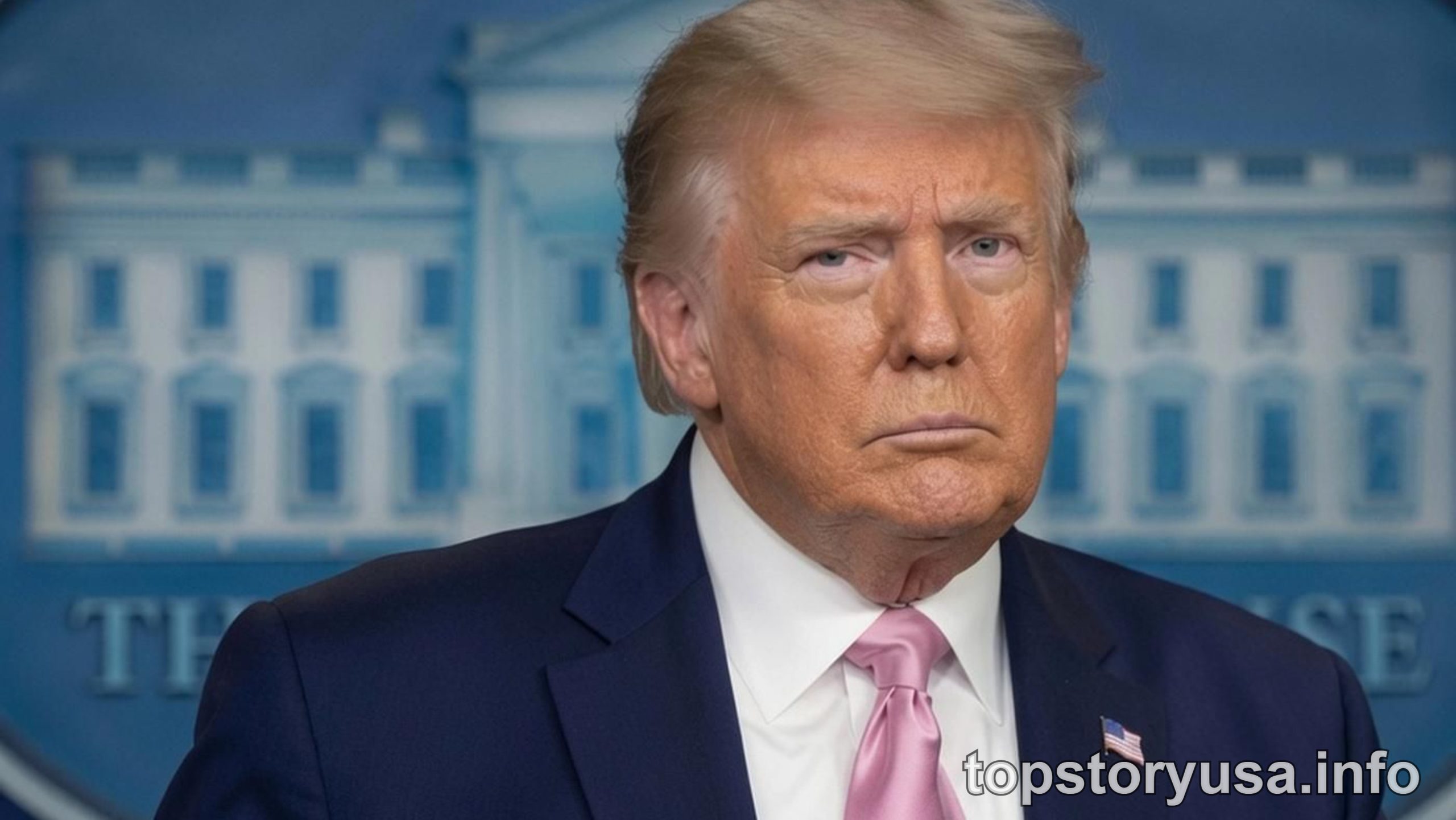
President Donald Trump’s decision to deploy federal forces throughout Washington, D.C., rapidly altered the city’s security landscape, producing measurable crime reductions alongside new concerns about civil liberties and institutional trust.
The executive action mobilized federal law enforcement agencies across the nation’s capital within days, reshaping street-level policing and community dynamics. The visible security presence-including increased patrols, federal personnel, and coordinated task forces-produced immediate statistical changes in criminal activity across multiple neighborhoods.
What Changed on the Ground
Certain residents report feeling safer following the deployment, with some describing the ability to walk home without sustained vigilance for the first time in years. Community communication channels previously dominated by crime alerts and incident reports have experienced reduced activity, according to residents tracking these platforms.
However, the same measures have generated different responses among other residents. Some families now employ new safety precautions, including monitoring vehicle information and establishing contingency protocols for interactions with federal personnel. Immigration-focused households have reported increased hesitation about answering doors or engaging with authorities, citing enforcement concerns.
Law Enforcement and Operational Challenges
Local police officers have privately expressed uncertainty about jurisdictional clarity as federal agencies, municipal law enforcement, and specialized units operate concurrently. The simultaneous deployment of multiple law enforcement hierarchies has created ambiguity regarding command authority during active incidents.
The Broader Debate
The federal operation has evolved beyond its initial crime-reduction mandate into a national discussion about security’s relationship to personal liberty. Washington residents and civil rights advocates now engage in substantive debate regarding whether enhanced security measures represent effective governance or problematic expansion of federal authority within urban communities.
The city continues navigating the tension between measurable public safety gains and documented concerns about trust in institutions, with no consensus yet emerging on how these competing interests should be balanced.