Judy Garland remains one of the most celebrated performers in Hollywood history, known for her extraordinary voice, emotional depth, and performances that defined generations. While her rise to stardom created an enduring cultural legacy, her early life also reflected the challenges young performers faced in the entertainment industry of the early 20th century. Through verified accounts from biographies, archival interviews, and studio documentation, her story continues to serve as an important reminder of the pressures placed on child actors during Hollywood’s studio era.
Early Beginnings in Minnesota
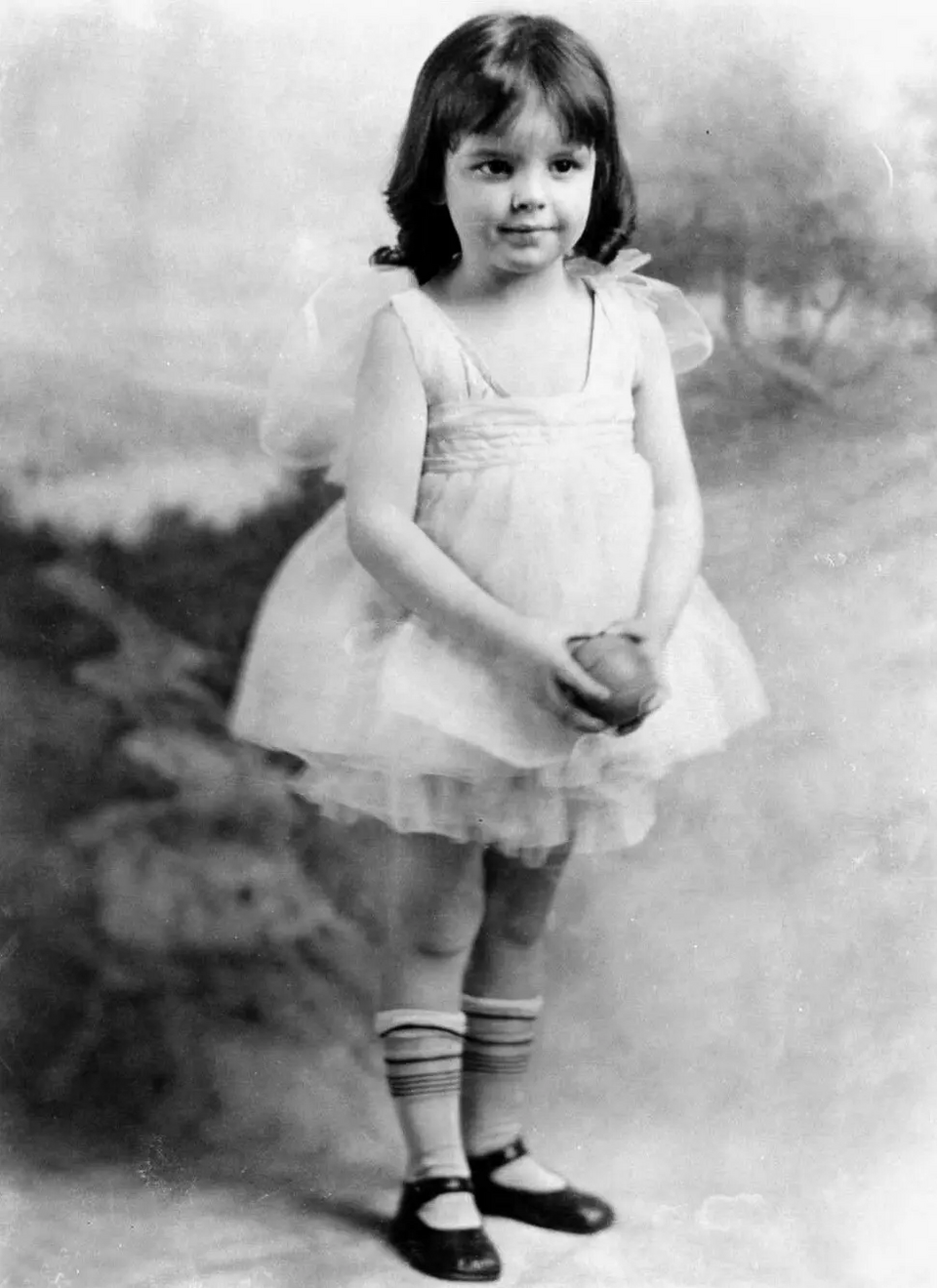
Judy Garland was born Frances Ethel Gumm on June 10, 1922, in Grand Rapids, Minnesota. According to biographical records and interviews preserved by the Library of Congress, she began performing at a very young age as part of a family act with her parents, who were vaudeville entertainers.
Her first documented public appearance occurred before the age of three, during a performance with her older sisters. While the audience saw remarkable talent from such a young child, life behind the stage was often demanding. Garland frequently recalled that performing became a central part of her childhood, shaping both her confidence and her sense of responsibility.
Relocation to California and Family Instability
Historical accounts note that the Gumm family later moved to Lancaster, California, in the 1920s. The move was motivated primarily by career opportunities in entertainment, as California offered more steady work for performers at the time.
Garland’s parents experienced marital challenges, something she referred to in multiple interviews throughout her adult life. She described moments of instability at home and often expressed that performing was the place where she felt most comfortable and supported. These reflections are documented in interviews from the 1960s, including appearances on major television programs.
Early Performances and Stage Expectations
As her career developed, Garland performed frequently at theaters and community venues, which was common for vaudeville families. Multiple reputable biographies describe how demanding schedules affected many young performers of her era, including Garland.
The high expectations placed on children in show business were reflective of the broader entertainment environment at the time, where long rehearsals, touring, and constant preparation were considered standard. Garland later spoke openly about the pressures of maintaining her energy and meeting professional expectations while growing up under constant public attention.
Signing With MGM and the Beginning of Stardom
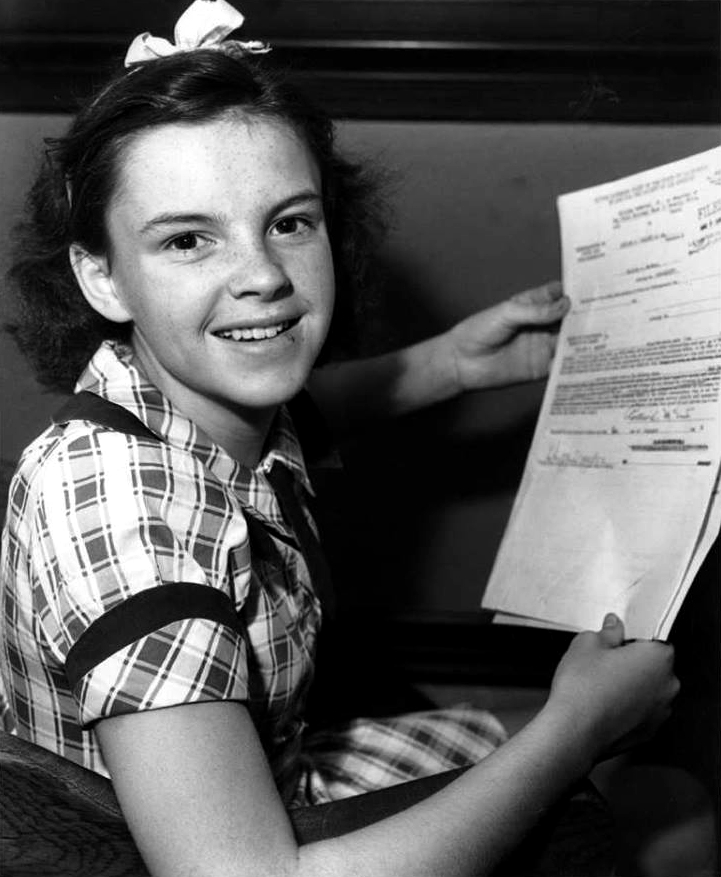
In 1935, at age 13, Judy Garland signed with Metro-Goldwyn-Mayer (MGM), one of the most powerful studios in Hollywood. Her signing is well documented in MGM archives and has been analyzed by film historians for decades.
Her first major recognition came two years later with the song “You Made Me Love You (I Didn’t Want to Do It),” performed in Broadway Melody of 1938. Film historians, including John Fricke, have noted that Garland’s work schedule at MGM was intense and often overlapped between films, concerts, and promotional commitments.
As her career expanded, Garland began working on a wide range of productions, including Pigskin Parade (1936) and a series of popular films with actor Mickey Rooney. MGM recognized the success of their partnership, leading to multiple musicals that remain significant in Hollywood history.
Loss of Her Father
During her early years at MGM, Garland endured the loss of her father, who died in 1935 due to complications from meningitis. This loss affected her deeply, and she later described how difficult it was to continue performing during that period. Still, she remained committed to her career, a reflection of both her resilience and the professional expectations of the studio system.
Breakthrough With The Wizard of Oz (1939)
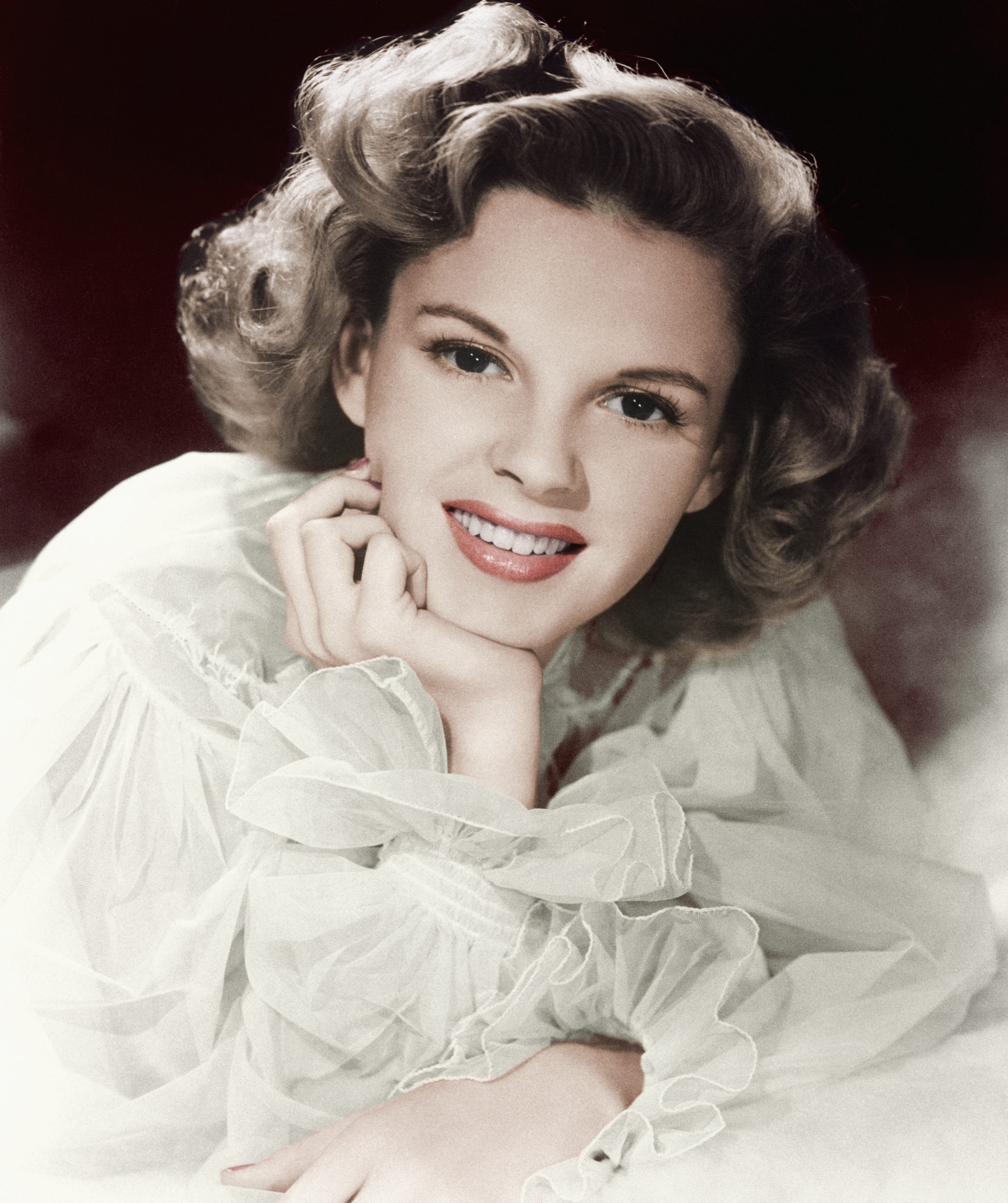
Judy Garland’s performance as Dorothy Gale in The Wizard of Oz became the defining role of her career. The film, released in 1939, has been preserved in the National Film Registry for its cultural, historical, and artistic significance.
The Wizard of Oz showcased Garland’s vocal talent, particularly through “Over the Rainbow,” a song that later became an American classic and won the Academy Award for Best Original Song. According to film historians, the movie required extensive rehearsals and demanding production schedules, reflecting the ambitious nature of MGM’s musicals at the time.
The success of the film elevated Garland to international fame and established her as one of Hollywood’s most recognizable figures.
Continued Success in the 1940s and 1950s
Following The Wizard of Oz, Garland starred in a series of major musicals, including:
-
Babes in Arms (1939)
-
Meet Me in St. Louis (1944)
-
The Harvey Girls (1946)
-
Easter Parade (1948)
These films solidified her position as a leading actress. Meet Me in St. Louis, in particular, became one of MGM’s most successful musicals of the decade and is celebrated for Garland’s performance of “Have Yourself a Merry Little Christmas,” which remains a holiday standard.
A Star Is Born (1954)
In 1954, Garland returned to the screen in A Star Is Born, produced by Warner Bros. The film is widely regarded as one of her greatest achievements and earned her an Academy Award nomination for Best Actress.
Critics praised her emotional depth and vocal performance, and the film continues to be studied and referenced in modern cinema discussions.
Personal Challenges and Health Struggles
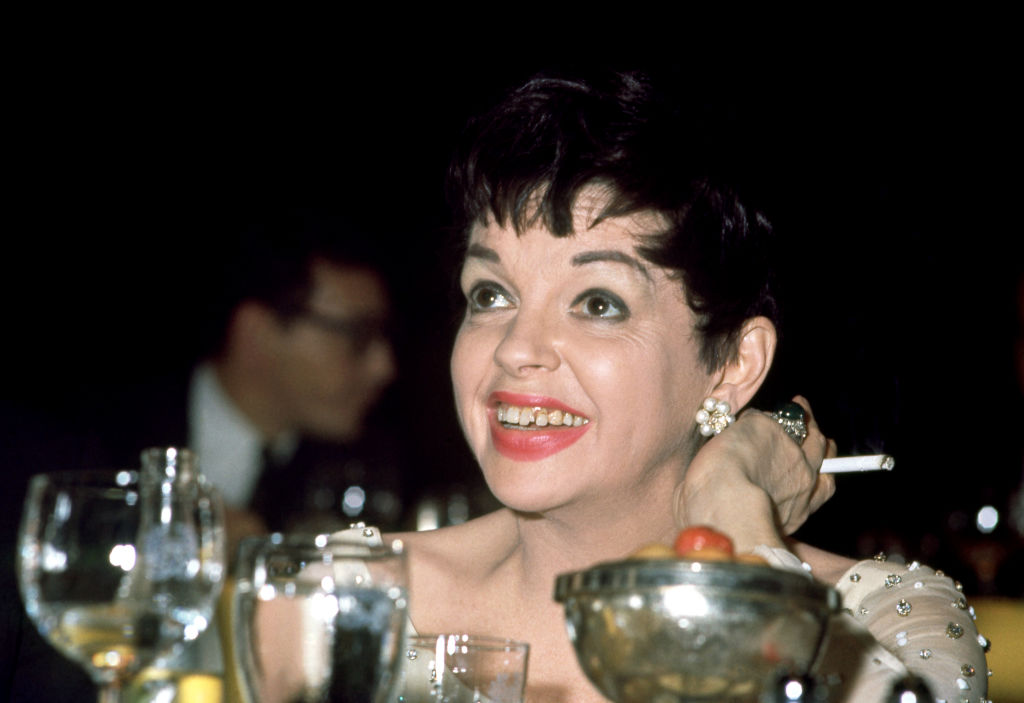
Throughout her adult life, Garland was candid in interviews about the challenges she faced, including periods of exhaustion, stress, and health difficulties. Records confirm that she sought medical care multiple times throughout her career, consistent with the demanding schedules of studio-era performers.
Her struggles with mental health and substance dependency were documented in medical reports and public statements made during her later years. These issues reflected broader concerns within Hollywood at the time regarding the well-being of performers under contract-based, high-pressure systems.
Passing and Legacy
Judy Garland passed away on June 22, 1969, in London at the age of 47. The official coroner’s report concluded that her death was the result of an accidental overdose of barbiturates. The findings were widely reported by reputable outlets, including The New York Times and the BBC.
Despite her challenges, Garland’s influence on film, music, and popular culture remains profound. She left behind a legacy that includes:
-
More than two dozen feature films
-
Recordings that shaped the American songbook
-
Historic live performances, including her landmark 1961 Carnegie Hall concert
-
A place among the greatest screen and vocal performers of the 20th century
Her daughters, Liza Minnelli and Lorna Luft, have spoken often about Garland’s humor, warmth, and determination, noting that her life was full of meaningful achievements beyond her struggles.
A Lasting Cultural Impact
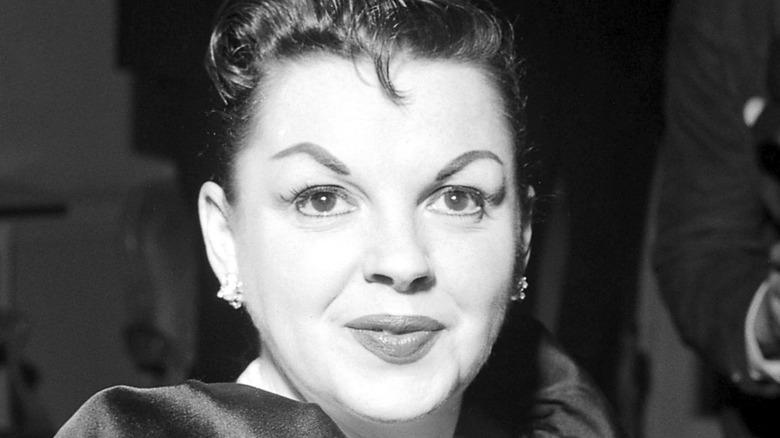
Today, Garland continues to inspire new generations. Her journey has encouraged ongoing discussions about child performer protections, responsible studio practices, and the importance of mental health support in the entertainment industry. Above all, she is remembered for her extraordinary artistry and the emotional depth she brought to every performance.
Her legacy lives on “somewhere over the rainbow,” not only through her music and films but through the millions of people her work continues to reach.
